Blog 5: The View from the Right Seat
Flight: Lufthansa LH716 | Route: Frankfurt (FRA) to Tokyo Haneda (HND) | Aircraft: Boeing 747-8 | Seat: First Officer’s Right Seat, Flight Deck
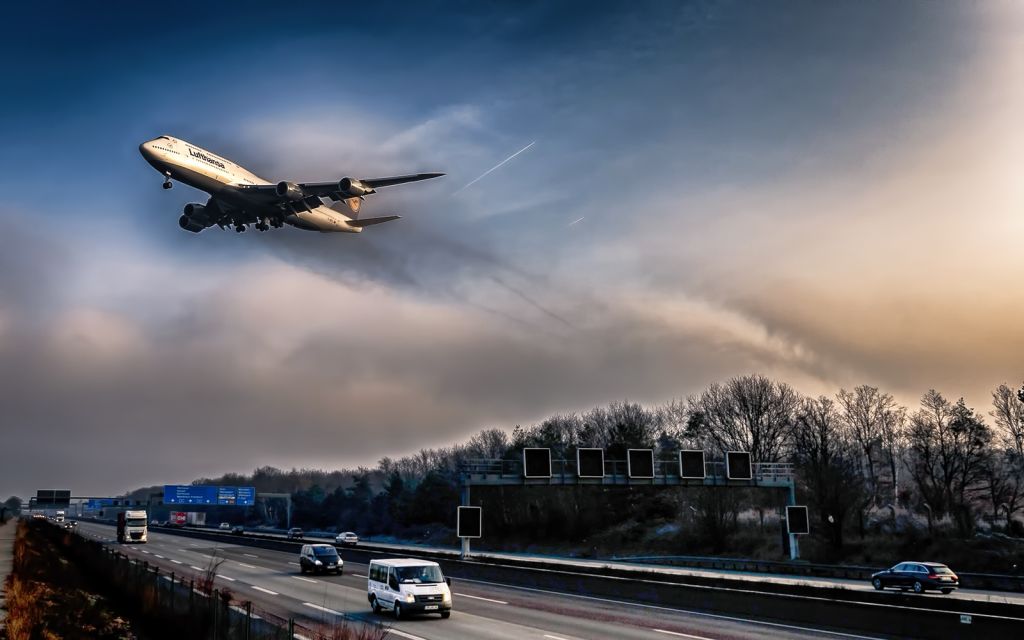
To be honest, I still can’t believe I’m sitting here. Right seat, Flight LH716, Frankfurt to Tokyo, co-piloting a Boeing 747-8—the Queen of the Skies.
We’re about six hours into the flight now, somewhere above Siberia. I’ve got a cup of strong black coffee on the tray, noise-canceling headset snug against my ears, and Martin—Captain Weber—quiet beside me in the left seat.
He’s not much of a talker. Very professional, meticulous, efficient. Classic senior captain energy. Honestly, I think he finds me annoying sometimes. I get it. I’m 29, straight out of pilot school, full of questions, and probably too excited about the job. He’s been flying longer than I’ve been alive.
Still, I try to stay focused, respectful. I know how this works. Seniority. Experience. Silence.
But sometimes I wish he’d say more. Or smile. Or laugh. Something.
Pilot school was… hell, frankly.
People think it’s all Top Gun and sunglasses. In reality, it was 5 AM call times, flight logs, engine checks, failure drills, brutal weather training, hundreds of classroom hours on aerodynamics and air law. There were days I questioned if I had what it took. Nights I sat alone in my dorm, staring at rejection letters from other airlines, wondering if I’d spent years chasing something that wasn’t going to happen.
But I made it. I pushed through. I got the license, passed the sim checks, nailed the line assessments. Then came the offer letter from Lufthansa—I reread it ten times to make sure it was real.
I don’t come from a family of pilots. I don’t have an uncle in the industry or a father who flew jets in the ’90s. I have classmates still waiting tables while they chase type ratings. I got lucky—and I worked for it.
Flying with Martin is both reassuring and intimidating.
He knows the 747 like it’s part of his body. Every instrument, every callout, every subtle change in engine sound—he reacts before I even register what’s happening. It’s impressive. But also… hard to keep up with.
He doesn’t give feedback unless it’s necessary. He doesn’t explain his logic out loud. He assumes I know things I’m still trying to fully understand. I find myself double-checking everything before I speak, just to make sure I don’t sound green.
Which I am.
But I also know my systems. I trained hard. I’ve flown six long-haul legs now. I’ve handled diversions, turbulence, and awkward ground delays. I may be new, but I’m not clueless.
Sometimes I want to remind him of that.
We’re cruising at FL360, and the stars outside the windscreen are sharp tonight—crystal clear over the ice flats below. I watch the sky while Martin runs through some system checks. He doesn’t say much, but he nods when I hand him what he needs. That’s something.
I glance down at my screen—next waypoint is Yakutsk VOR. Still a long way from Tokyo.
I lean back for a moment, let myself breathe.
The world feels so still up here.
Back on the ground, everything moves too fast. Social media, news, people changing jobs every six months, relationships that don’t last a season. Everyone’s trying to “make it” before 30.
Sometimes I wonder if I should feel behind. Like I missed something by going into aviation instead of tech or finance or some flashy career path that lands you on Forbes before you can legally rent a car.
But then I sit here, hands on the controls of a 747, watching the sun rise at 36,000 feet, and I think—this is it.
This is what I wanted.
Martin finally breaks the silence. “I’ll take a short walk,” he says, unclipping his harness. “Let me know if anything changes.”
“Sure thing, Captain,” I reply.
He leaves the cockpit, and I’m alone.
Alone in the cockpit of a $400 million jet. Me, the kid who used to build paper planes out of math homework.
I don’t smile, but inside, I do.
I know Martin respects the job. He probably sees aviation as sacred in a way most people don’t anymore. I get that. I do too.
And even though we’re not the same—different generations, different rhythms—I think we understand one thing in common:
This job, with all its flaws and fatigue, is still a gift.
It’s early mornings and long nights and constant jet lag.
It’s also a sunrise over the Pacific, and the knowledge that you’re helping hundreds of people travel safely across the planet.
It’s worth it.
When Martin returns, he nods at the controls and asks, “All good?”
“All good,” I say, and I mean it.
We don’t talk much after that, but we don’t need to.
The systems are stable. The flight path is clear.
And for the next six hours, I’ll sit here beside him—learning, observing, adjusting.
Grateful.
Not just for the job.
But for the sky.
For the silence.
And for the chance to be part of something bigger than myself.
 Snow Liu's Web
Leave a comment